

Trusted Landscape Design & Installation in Pittsburgh & the South Hills Since 2012
○ Koi Ponds ○ Patios ○ Retaining Walls ○ Outdoor Lighting ○ Landscape Maintenance
Professional Landscape Design & Hardscape Construction In Pittsburgh, PA
Gramm Outdoor was started in 2012 by Jake Gramm. Born out of a passion for the outdoors, Jake and his younger brother, Tom, started doing basic lawn care and landscaping for customers in the South Hills.
Gramm Outdoor quickly evolved to specialty landscape projects like water features, outdoor lighting, retaining walls, patios, and larger more involved landscape designs. We offer software renderings of proposed projects and an attention to detail that stems from our love for all things outdoors.
Request A Free Quote
Home Page
Authorized Professional Landscaper


Landscaping Services We offer Pittsburgh

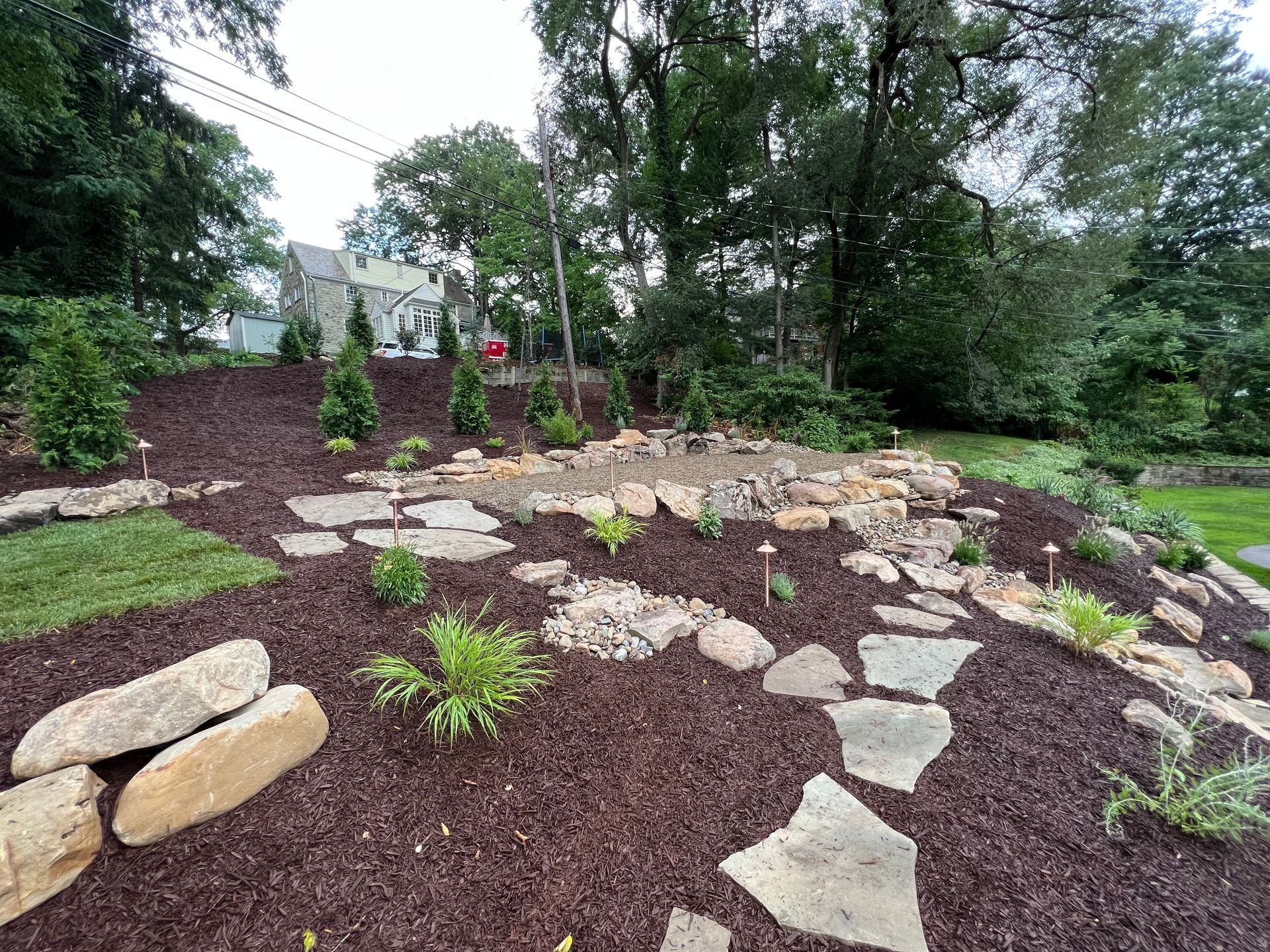


Before & After Our Work


Landscape Design Knowledge

For many Pittsburgh and South Hills homeowners, the better goal is to create a backyard patio with enough room for dining, relaxing, and occasional guests while preserving lawn, landscaping, and comfortable connections to the rest of the property. A backyard patio may need approximately 9 by 12 feet for outdoor dining, 12 by 12 feet for lounge seating, or 18 by 20 feet to comfortably accommodate both . However, the ideal patio size depends on your furniture, the number of people using the space, and how much room you need for walking between seating areas, the house, and the yard. That is why patio planning should start with the desired activities, and furniture it will host rather than just having a target square-footage for the patio installation . A patio can look generous on paper and still feel cramped if chairs block a doorway, people have to squeeze behind the dining table, or the main route to the lawn cuts through a seating area. In Pittsburgh, hills can often be a limiting factor, so working with that could mean installing a retaining wall to push back the hill in order to permit a larger patio surface area. For a homeowner who wants a dining table, lounge chairs, and comfortable guest movement, the answer is usually to plan each activity zone first and then connect those zones with practical circulation space. The total patio dimensions come after that exercise, not before it. How Do You Determine the Right Patio Size for Your Household? No single backyard patio dimension is ideal. A household of two that eats outside occasionally may need considerably less room than a family that regularly hosts six or eight people. At the same time, someone who entertains only a few times each year may not want to build an oversized patio around the largest gathering they can imagine. Start with ordinary use. How many people live in the home? Will you eat outside several nights a week, or will you mostly use the patio for coffee and conversation? Do you want a full dining table, a conversation set, or both? How many guests do you realistically expect at a typical gathering? It also helps to identify the furniture before construction whenever possible. A four-person round table and a long rectangular table for eight create very different footprints. The same is true of a compact loveseat compared with a deep sectional. Once you map those items out, the design can account for the open areas people need to sit down, stand up, serve food, walk toward the house, and move into the yard. That usable layout often matters more than the patio's raw square footage. How Much Patio Space Does an Outdoor Dining Table Require? The dimensions listed on a dining table are only the starting point. A 3-by-6-foot table does not require just 18 square feet of patio because chairs and people extend well beyond its edges. A practical planning method offered by Houzz is to measure the table, add the chairs in their occupied positions, and then consider what happens when someone pulls a chair back. Outdoor design guidance commonly uses roughly 3 feet around a dining table as a useful planning allowance for pulling chairs out and allowing people to pass. That is a design guideline, not a universal building-code requirement. Using that approach, a hypothetical 3-by-6-foot rectangular dining table could occupy roughly a 9-by-12-foot zone when you add about 3 feet around it. The exact amount may change with chair depth, table shape, benches, nearby walls, and where people actually need to walk. Before finalizing a patio, measure the furniture you own or plan to buy. Taping those dimensions onto a driveway or garage floor can also make it easier to understand how much room the complete dining arrangement uses. How Much Room Should You Allow for Outdoor Seating? Lounge furniture creates a different planning problem. Sofas, deep chairs, coffee tables, end tables, ottomans, and sectionals can take up more space than they appear in a showroom or online photo. Instead of measuring only the furniture, think about how people will enter and leave the seating group. Can someone reach an empty chair without stepping between another guest and the coffee table? Is there a clear route around the arrangement? Can someone carry drinks from the house without asking other people to move? For example, a lounge zone with a roughly 7-foot sofa, two substantial chairs, a coffee table, and an open approach may need about 12 by 12 feet. That is not a required minimum. Smaller furniture may fit comfortably in less space, while a sectional or larger conversation group could require considerably more. Choosing furniture before construction gives the patio designer better information than simply requesting "a seating area." How Should Dining and Lounge Areas Share One Patio? Dining and lounging can share one patio without becoming two completely separate outdoor rooms. The key is deciding whether each activity needs a permanent zone or whether some of the space can remain flexible. For example, a family that eats outside frequently may want the dining table positioned close to the kitchen door, with lounge seating farther toward the lawn or landscaping. Another household may prefer one larger open area where lightweight chairs can be rearranged for guests. Circulation should connect the house, dining area, seating area, and yard without running directly through the middle of every activity. A narrow strip of unused patio around furniture is not necessarily useful if the routes people naturally take are blocked. This is one reason to consider backyard patio design alongside the surrounding landscape. Gramm Outdoor Contracting's landscape design service uses renderings to help clients see how different outdoor elements can work together before installation begins. How Do Doors, Steps, and Walkways Affect Patio Layout? The patio usually begins where the house ends, so doors and steps should be part of the layout from the beginning. A door that swings outward needs room to operate without hitting furniture. Steps need clear landing areas. A path from the driveway or side yard may become the primary route for guests, while a walkway toward the lawn, grill, garden, or another outdoor feature may carry regular traffic. Place those routes on the plan before positioning tables and chairs. Otherwise, a patio can have plenty of square footage while still forcing people to weave around dining chairs or cut between a sofa and coffee table. The goal is not simply to leave space. It is to leave useful space where people naturally move. How Do Slopes and Drainage Affect Usable Patio Space? Pittsburgh-area properties are not always flat, particularly throughout the South Hills. Gramm Outdoor notes that sloped terrain, drainage, and retaining features can affect how outdoor spaces are constructed and connected. A slope may influence whether a patio works best as one level, requires a step or retaining feature, or should use a different shape to fit the property. Drainage can also affect where the patio sits and how water needs to move around the home and landscaping. These conditions can change the difference between total patio area and comfortably usable patio area. A corner devoted to a grade transition, step, or connection to another level may technically be part of the hardscape but not function as a furniture zone. This is where planning the patio as part of the entire property becomes important. Evaluate the relationship between the house, grade, lawn, planting beds, walkways, and hardscape together, rather than treating the patio as an isolated rectangle. What Can Different Patio Layouts Accommodate in Practice? The examples below are hypothetical planning exercises, not required patio sizes. They show why you should state furniture and circulation assumptions whenever you discuss patio dimensions.
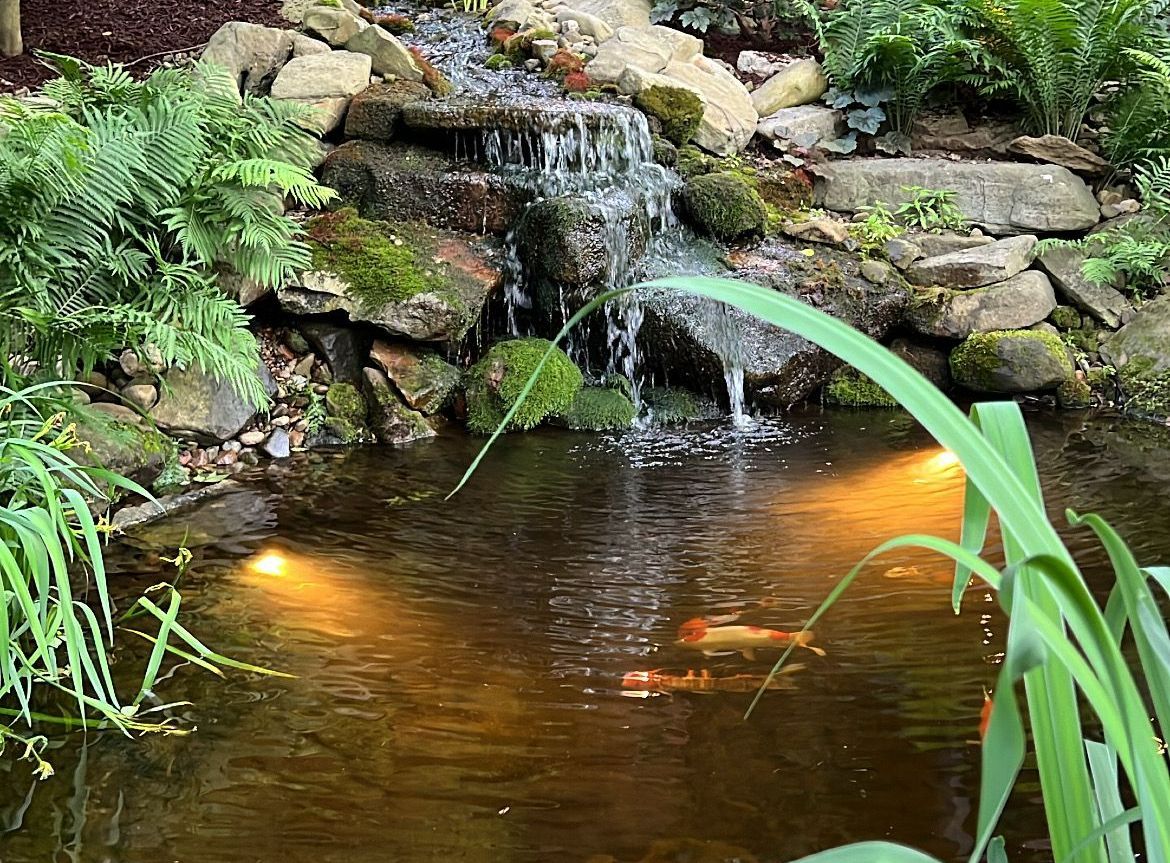
A backyard water feature can be as simple as a decorative fountain or as involved as a pond, waterfall, stream, or larger landscape built around moving water. Because those projects vary so widely, choosing a contractor should involve more than comparing the price of the fountain, pond, or installation itself. Homeowners comparing fountain builders or water feature installers in Pittsburgh should consider how each contractor approaches the entire property. Placement, grading, drainage, surrounding landscaping, access, lighting, maintenance, and nearby hardscaping can all affect how well the finished feature works within the yard. Knowing what to ask before hiring a Pittsburgh water feature contractor makes it easier to compare proposals and choose an approach that fits both your property and how you want to use your outdoor space. Start by Deciding What Type of Water Feature You Want You do not need a finished design before contacting a contractor, but it helps to have a general idea of the experience you want to create. A decorative fountain can introduce the sound and movement of water without requiring a large footprint. Pondless waterfalls can create moving water without an exposed pond basin. Backyard ponds may become focal points within gardens or seating areas, while koi ponds require planning that accounts for both appearance and the needs of the fish. Larger properties may also with to build streams, waterfalls , or integrated pond and waterfall systems that use elevation changes to create movement through the landscape. If koi are part of your plans, learning more about custom koi pond design before meeting with contractors can help you think through the size, location, and overall character you want. At this stage, the goal isn't to solve every design question yourself. A qualified contractor should be able to look at your ideas, your property, and your priorities and help determine which type of feature makes sense for the space. Look for a Contractor Who Can Design the Entire Space One of the biggest differences between a standalone fountain installation and a custom water-feature project is how much of the surrounding landscape you need to consider. A pond or waterfall may sit next to a patio, connect visually with a walkway, work alongside a retaining wall, or become the focal point of a planting area. Outdoor lighting can change how the feature looks after sunset, while seating placement determines whether people can enjoy it comfortably. Elevation is important too. A sloped backyard may offer opportunities for a cascading feature, while a smaller or flatter space may call for a different design. This is why an integrated landscape-design experience can be useful. Instead of deciding where the water goes first and fitting everything else around it later, the landscape designer can consider how the feature relates to circulation, gathering areas, stonework, plants, lighting, and existing grades. Gramm Outdoor provides water-feature installation as part of a broader landscape and hardscape service offering, allowing homeowners to discuss the feature in the context of the overall outdoor space. Ask How Drainage, Grading, and Water Movement Will Be Handled Water belongs inside the feature, but the contractor also needs to consider how water moves through the rest of the property. Ask how existing drainage patterns, slopes, runoff, and surrounding grades will influence the location and design. For ponds, it is also worth asking what happens when heavy rain adds water to the system and where overflow is intended to go. The contractor should consider nearby structures, patios, walkways, retaining walls, neighboring areas, and other places where unwanted runoff could cause a problem. You do not need to know the technical solution before the project begins. Instead, listen for whether the contractor evaluates these conditions during the planning process. Some projects may also be affected by municipal requirements involving grading, land disturbance, electrical work, or stormwater. Requirements vary by community, so homeowners considering a pond should also confirm whether their backyard pond requires a permit and what the current requirements are for their specific property. Ask About Pumps, Filtration, and Maintenance Design a water feature for what happens after installation, not just how it looks when the project is finished. Ask your contractor to explain how water will circulate and what role pumps or filtration will play in the proposed water feature design. You should also understand how debris will be managed and how easily the equipment can be accessed for inspection or service. Maintenance needs vary by feature. A small decorative fountain does not have the same requirements as a koi pond or a larger pond and waterfall system. Trees, surrounding plant material, sunlight, fish, water volume, and the design itself can all influence what routine care is necessary. Pittsburgh homeowners should also ask what seasonal steps are recommended when caring for their water feature as temperatures change. The important point is not to look for a promise of "no maintenance." Instead, ask for a realistic explanation of what you will need to do, what may require professional water feature service, and how the design provides access for future maintenance. Review Examples of Completed Water Feature Projects Before choosing a fountain builder or pond contractor in Pittsburgh, review completed work that resembles the type and scale of project you are considering. Look beyond close-up photographs of individual fountains or pieces of stone. Wider project images can show how the water feature relates to the yard. Pay attention to whether stonework looks intentional, whether plants and hardscaping complement the feature, and whether the finished space feels like one design rather than several unrelated additions. Gramm Outdoor's current water-feature portfolio includes project photography alongside its fountain, waterfall, and koi pond services, giving homeowners a way to review completed installations as they consider their own project. If fish are part of your plans, reviewing examples and information about backyard koi pond installation can also help you identify design elements to discuss during a consultation. Questions to Ask a Fountain Builder or Water Feature Contractor When comparing outdoor fountain contractors or water feature specialists to hire, ask questions that reveal how they approach the whole project: Do you design and install the complete water feature? How will you evaluate grading, drainage, runoff, and overflow? Can the project be coordinated with patios, walkways, retaining walls, landscaping, or lighting if those elements are needed? What routine and seasonal maintenance should I expect? How will pumps, filtration, or other equipment be accessed for future service? Can I see completed projects similar to the type and scale I am considering? How will the proposed feature fit the existing layout and elevation of my property? Are there permitting or site conditions I should investigate before work begins? The answers should help you determine whether the contractor is evaluating the project as a complete outdoor installation or primarily focusing on the water feature as an isolated element. If you are considering a pond, fountain, waterfall, or broader backyard renovation, Gramm Outdoor can discuss how the water feature could fit within your existing landscape and any related outdoor improvements you are considering. Why Local Pittsburgh Experience Matters Local experience helps because Pittsburgh and South Hills properties vary considerably in slope, drainage, lot configuration, and existing landscaping. Seasonal temperature changes also matter when selecting materials and discussing maintenance. Freeze-thaw cycles can affect outdoor construction, while leaves and other seasonal debris may affect ongoing water-feature care. A contractor familiar with the area should still evaluate your individual property rather than relying on assumptions about Pittsburgh yards. One South Hills property may have a steep grade, while another may be relatively flat. Drainage conditions can also differ from one lot to the next. Local knowledge is therefore most useful when it helps the contractor ask better questions about the actual site, anticipate seasonal considerations, and identify municipal issues that may need to be checked before installation begins. FAQs About Water Feature Contractors What does a water feature contractor do? A water feature contractor plans and installs features such as fountains, ponds, koi ponds, streams, and waterfalls. Depending on the contractor and project, the work may also involve excavation, stonework, grading, drainage considerations, pumps, filtration, landscaping, and integration with nearby hardscaping. Who installs outdoor fountains? Water feature contractors, landscape contractors, or specialty fountain builders may install outdoor fountains. For custom installations, look for a contractor who can evaluate the fountain's location, surrounding landscape, water circulation, access, drainage, and any related construction rather than focusing only on the fountain itself. How much maintenance does a backyard water feature require? Maintenance depends on the feature's type and design. Homeowners may need to address debris, water circulation, filtration, seasonal care, and occasional equipment service. Ask the contractor to explain the expected maintenance before installation so you know what routine care the proposed design requires. Can a contractor add a waterfall to an existing pond? In some cases, yes. Whether a waterfall can be added depends on the existing pond's layout, circulation system, elevation, condition, surrounding space, and other site factors. A water feature contractor should evaluate the pond before recommending changes. Can water features be incorporated into a patio or retaining wall project? Yes, water features can be planned alongside patios, retaining walls, walkways, planting areas, or lighting when the site's layout supports the combination. Coordinating these elements during the design stage can help the finished outdoor space feel more cohesive. Plan Your Water Feature Around Your Property The right fountain, pond, or waterfall is not just a product placed in the yard. Its location, scale, circulation, maintenance needs, surrounding landscaping, and relationship to the rest of the property all deserve consideration. If you are planning a water feature in Pittsburgh or the South Hills, Gramm Outdoor can evaluate your ideas in the context of the complete outdoor space. Whether you are considering a fountain, pond, waterfall, koi pond, or a larger landscape project, contact Gramm Outdoor to discuss the property and the options that may fit your goals.

A backyard pond can become a natural focal point, but adding one to a sloped property often requires more planning than simply choosing where the water will go. This is especially true throughout Pittsburgh and the South Hills, where elevation changes can affect runoff, erosion, access, and the usable space around a water feature. In some yards, retaining walls around ponds can help manage those challenges. The key is to avoid treating the pond and wall as separate projects. Pond placement, wall construction, grading, drainage, planting areas, and nearby patios or walkways all affect one another. Planning these features together can create a backyard that manages water more effectively while still looking intentional and remaining practical to maintain. Why Build a Retaining Wall Around a Pond? A retaining wall can serve several purposes around a pond, particularly when the surrounding property is uneven. One common reason is managing elevation changes. If you're installing a pond into a hillside or near a sloped section of the yard, a retaining wall can help create a clear transition between higher and lower areas of the landscape. Retaining walls may also help stabilize soil where erosion is already occurring. Rain and surface runoff can gradually move exposed soil downhill, especially in areas where vegetation is sparse. Near a pond, controlling that soil movement may also help keep sediment from washing toward the water. Another benefit is creating more usable space. A properly planned wall may allow room for a walkway, planting bed, patio, or seating area that would otherwise be difficult to incorporate into a slope. It also offers an aesthetic benefit. Natural stone or retaining wall block can visually frame a pond and create clear transitions between water, plants, lawn, and hardscaping. However, not every backyard pond requires a retaining wall. A relatively level site with stable soil and appropriate drainage may not benefit from one. Base the decision on the property's conditions rather than adding a wall for appearance alone. Drainage Is One of the Most Important Design Considerations Drainage deserves careful attention whenever a retaining wall and pond are located close together. Water naturally moves through and across the landscape after rain. On a sloped property, that movement can become particularly noticeable as runoff travels downhill. A retaining wall changes how soil and water move through the area, so you must consider drainage in the wall design. One concern is water collecting in the soil behind the wall. Saturated soil can place additional pressure on retaining wall systems. That is why retaining walls commonly incorporate drainage aggregate and, depending on the site, a drainage system that directs water away from the wall. Surface water matters too. Grading should account for where water comes from and where it will travel after construction. Runoff from an uphill lawn, patio, roof drainage system, or neighboring section of the property should not simply be allowed to collect behind the wall. At the same time, directing every bit of runoff toward the pond is not necessarily the answer. Uncontrolled runoff can carry soil, mulch, fertilizer, grass clippings, and other landscape debris into the water. The right drainage approach depends on the slope, soil, pond elevation, surrounding hardscaping, and other property-specific conditions. Solutions could involve grading changes, drainage stone, underground drainage, or a combination of methods. Gramm Outdoor discusses the role of proper landscape drainage in retaining wall projects, including using French drains to redirect water. If you are planning both a pond and retaining wall, evaluating drainage before construction begins can help determine how both features should fit into the existing yard rather than trying to correct water movement after everything is installed. Choosing Materials for a Pond Retaining Wall The right material for a pond retaining wall depends on both the desired appearance and the site's functional requirements. Two options commonly considered in landscaped backyards are natural stone and segmental retaining wall block. Natural Stone Natural stone works particularly well when homeowners want the pond to look organic or naturalistic. Stone can visually connect a retaining wall with boulders, waterfalls, planting beds, streams, and other landscape elements. Because natural stone has variation in shape, texture, and color, it can create a less uniform appearance than manufactured wall products. That variation can be especially appealing around ponds designed to resemble naturally occurring water features. Natural stone also works well when you're already incorporating similar stone into nearby patios, steps, edging, or landscaping. Segmental Retaining Wall Block Segmental retaining wall block provides a more consistent appearance and can be useful when the wall needs to coordinate with a structured hardscape design. These systems are available in different textures, sizes, and styles, making it possible to coordinate the wall with paver patios, walkways, steps, and other constructed features. Gramm Outdoor currently installs both natural stone and manufactured retaining wall systems as part of its professional retaining wall installation services. Material selection should not be based on appearance alone. Wall height, slope, soil conditions, drainage, surrounding features, and other site-specific requirements should also influence the decision. How the Retaining Wall Affects Pond Design A retaining wall does more than occupy space next to a pond. Its location can influence nearly every part of the finished water feature. Pond elevation is one of the first things to consider. Raising, lowering, or terracing the surrounding landscape can affect how the pond looks from the house, patio, deck, or lawn. Viewing angles matter most if you want to enjoy the pond from an outdoor seating area. A wall that is placed without considering those sightlines could partially block the water or make the pond feel separated from the rest of the backyard. Access also needs to remain practical. Pond edges, pumps, filters, plants, and other components may require periodic maintenance. Landscaping should leave enough room to reach important areas without climbing over a wall or squeezing through planting beds. Retaining walls can also influence waterfall and stream design. Changes in grade may provide opportunities to incorporate moving water naturally into the surrounding landscape, but the water feature and grade changes need to be planned together. Nearby planting beds, walkways, patios, and seating areas should receive the same consideration. A pond often works best when it feels connected to the rest of the outdoor living space, rather than appearing as an isolated feature. Homeowners considering a new pond can learn more about Gramm Outdoor's professional pond and water feature installation . The company offers ponds, waterfalls, streams, and other water-feature services in the Pittsburgh area. Common Problems With Poorly Planned Pond Retaining Walls Problems around an existing pond do not automatically mean the retaining wall is failing. However, certain conditions can indicate that the pond, grading, drainage, and wall are not working well together. One example is soil repeatedly washing toward the pond. This may indicate that runoff from surrounding areas is not being controlled effectively. Standing water near or behind the wall is another condition worth investigating. Water may be reaching a low point without an effective way to continue moving through the landscape. Homeowners may also notice wall sections beginning to lean, shift, or become uneven. Evaluate changes in a retaining wall rather than simply covering them with additional soil or landscaping. Erosion around the ends or base of a wall can also suggest that water is finding an unintended route through the property. Some problems are less obvious. For example, a wall may make pond maintenance unnecessarily difficult because there is no convenient access to equipment or the water's edge. Landscape beds can also create problems if they continuously drain mulch and soil toward the pond. These conditions do not all have the same cause or solution. An on-site evaluation can help determine whether the issue involves grading, drainage, the wall itself, pond placement, or a combination of factors. Planning a Pond and Retaining Wall as One Backyard Project When several major landscape features occupy the same area, planning them together can simplify important decisions. Instead of deciding on a pond location first and then figuring out where a retaining wall, drainage system, patio, or planting beds can fit afterward, homeowners can evaluate the entire space as a connected project. That process allows the contractor to consider existing grades, drainage patterns, access, desired views, hardscaping, plantings, and the water feature before construction begins. This is particularly useful during larger backyard pond landscaping projects where the pond may be only one part of a broader outdoor renovation. Gramm Outdoor provides retaining wall, hardscaping, landscape design, and water-feature services for Pittsburgh-area properties, allowing these related elements to be considered within the same outdoor project. Homeowners planning a new pond should also review local requirements before construction. Gramm Outdoor's guide to backyard pond permit requirements provides additional information to consider during planning. FAQs About Retaining Walls Around Ponds Do I need a permit for a backyard pond? Permit requirements for backyard ponds vary by municipality and can depend on factors such as the pond's size, depth, location, and surrounding features. Some projects may also be subject to zoning, property setback, drainage, or safety requirements. Before construction begins, check with your local municipality to find out which rules apply to your property. A professional pond contractor can also help you identify the site considerations that should be addressed during the planning process. Do I need a retaining wall around my backyard pond? Not necessarily. A retaining wall may be useful when a pond is near a slope, significant elevation change, an erosion-prone area, or a section of the yard where you need more usable space. Level properties with stable grading may not require one. Can a retaining wall be installed next to an existing pond? In many cases, it may be possible, but you should first evaluate the existing pond, surrounding grade, access, drainage patterns, and available construction space. Installing a wall may also require changes to nearby landscaping or pond edges. What is the best material for a pond retaining wall? No single material works best for every property. Natural stone can complement naturalistic ponds, while segmental retaining wall block can coordinate well with patios and structured hardscaping. The appropriate choice also depends on the wall's functional requirements and site conditions. How close can a retaining wall be to a pond? No universal distance applies to every backyard. Appropriate placement depends on the pond design, wall size, grade, soil conditions, drainage, construction access, maintenance needs, and any applicable local requirements. A contractor should evaluate the actual site before determining placement. How does drainage work behind a retaining wall near water? Retaining wall drainage typically gives water in the soil behind the wall a controlled route to move away rather than allowing it to collect. Depending on the site, the system may involve drainage aggregate, drainage pipe, grading, or other methods. Near a pond, the drainage plan should also consider where that water ultimately goes so runoff does not create erosion or carry debris into the pond. Create a Pond, Retaining Wall, and Landscape That Work Together The best approach to retaining walls around ponds starts with looking beyond the wall itself. The pond's elevation, surrounding slopes, drainage, planting areas, access, hardscaping, and intended backyard use all influence the final design. For Pittsburgh and South Hills homeowners, this whole-site approach can be particularly valuable on properties with hills, changing grades, or existing drainage concerns. If you are considering a pond, repairing the landscape around an existing water feature, or planning a larger backyard renovation, Gramm Outdoor can evaluate how the different parts of the property need to work together. As a retaining wall contractor in Pittsburgh that also provides landscaping, hardscaping, and water-feature services, Gramm Outdoor can help plan the project as a connected outdoor space rather than a collection of separate features. Contact Gramm Outdoor to discuss your property and determine an appropriate approach for your pond, retaining wall, drainage, and surrounding landscape.

Adding a pond or water feature can bring more function, texture, and visual interest to your outdoor space. For many Pittsburgh homeowners, the first question is practical: how much should a pond installation cost? The answer depends on the project's scope. A simple decorative water feature will usually have different requirements than a custom koi pond designed to support fish , filtration, circulation, and long-term water quality. Site conditions, materials, equipment, access, and design details all play a role. At Gramm Outdoor Contracting, we help homeowners understand what goes into a pond installation service before work begins. Whether you are considering koi ponds in Pittsburgh, a small backyard pond design, or a larger custom water feature, knowing the main cost factors can help you plan with more confidence. How Does Pond Size Affect Installation Cost? Pond size is one of the most important factors in the overall project cost. A larger pond requires more excavation, more liner or structural material, more stone, and more time to install. Surface area matters, but depth is just as important. A shallow decorative pond may require less excavation than a deeper koi pond. However, if the goal is to support fish, depth becomes more important for maintaining water stability, controlling temperature, and seasonal performance. A koi pond builder will typically consider how much water volume is needed to support the fish, filtration system, and circulation plan. Larger ponds also place more demand on pumps, filtration, and aeration. The bigger the pond, the more water needs to move efficiently through the system. This can increase equipment needs and installation complexity. That does not mean every homeowner needs the largest possible pond. The right size should fit the yard, the intended use, and the budget. A well-planned, smaller pond can still create an attractive focal point when it is designed around the property's layout. What Features Increase Koi Pond Installation Costs? Features can significantly impact pond installation costs in Pittsburgh. A basic pond with a simple water return will usually cost less than a custom pond with waterfalls, streams, fountains, stonework, aquatic plants, and fish-support systems. Waterfalls and streams are common upgrades because they add movement and sound. They also require careful grading, stone placement, pump sizing, and water flow planning. The more natural and integrated these features need to look, the more design and labor may be involved. Filtration is another key cost factor. Koi pond filtration systems often include both mechanical and biological components. Mechanical filtration helps remove debris, while biological filtration supports water quality by helping manage waste in the pond ecosystem. These systems must be sized appropriately for the pond and fish load. Aeration may also be needed, especially for koi ponds. Fish-support systems help maintain healthier oxygen levels and improve water circulation. These components add cost, but they are often important for long-term pond performance. Custom rockwork and the integration of the surrounding landscape can also affect pricing. Natural stone, boulders, edging, plantings, and transitions into nearby patios or walkways all contribute to the final scope. Do Koi Ponds Cost More Than Basic Water Features? Koi ponds generally cost more than basic decorative water features because they require filtration and other features to support living fish. That changes the design requirements. A koi pond often needs greater depth, stronger filtration, better circulation, and more careful planning for water quality. Fish health depends on more than appearance. The pond must be designed with enough volume, proper oxygen levels, and suitable equipment. Long-term maintenance should also be considered. Koi ponds require ongoing attention to water clarity, filtration, debris removal, and seasonal care. These factors may influence both the initial installation cost and the ongoing maintenance costs of the pond. How Do Decorative Water Features Compare in Cost? Decorative water features are often simpler than koi ponds. They may include fountains, small ponds, bubbling rocks, or pondless waterfalls. Because they do not need to support fish, they usually require fewer components. A decorative feature can still add sound, movement, and visual interest to a landscape. For homeowners who want the look and feel of water without the added responsibilities of fish care, this type of water feature installation in Pittsburgh may be a practical option. Costs can still vary based on size, materials, and design details, but the systems are often simpler than full koi pond construction. How Do Site Conditions Impact Pond Installation Costs? The property itself plays a major role in pond installation pricing. Even a modest pond can become more complex if the site is difficult to access, heavily sloped, rocky, or affected by drainage concerns. Soil type matters because it affects excavation. Some yards are easier to dig than others. Rocky or compacted soil may require more time, equipment, or labor. If the pond area requires significant grading, that can also increase the project's scope. Slope is another important factor. A sloped yard may require retaining elements, strategic grading, or extra planning to keep the pond stable and visually balanced. In some cases, slope can be used creatively for waterfalls or streams, but it must still be managed properly. Access can also affect cost. If equipment and materials can be brought close to the installation area, the work may be more efficient. If the pond location is behind a narrow gate, down steps, or far from the driveway, additional labor may be needed to move stone, soil, liner, and equipment. Utility lines, tree roots, existing hardscaping, and other obstacles can also affect the installation process. A professional water feature contractor will review these conditions before finalizing the design and estimate. Does Drainage and Water Flow Affect Costs? Drainage is an important part of pond planning. A pond or water feature should be designed so that runoff, overflow, and surrounding water movement are managed correctly. Poor drainage can lead to erosion, water loss, muddy areas, or pressure around the pond edge. In some cases, the pond may need to be integrated with existing drainage systems or designed with overflow management in mind. This can add to materials and labor costs, but it is an important step toward long-term performance. Addressing drainage during the planning stage is usually more practical than correcting problems after installation. What Equipment and Materials Affect Pond Pricing? The materials and equipment selected for a pond installation service will influence both cost and durability. Common decisions include liner type, pump size, filtration systems, skimmers, stone selection, and edging materials. Flexible pond liners are often used for custom pond construction because they offer greater design flexibility. Preformed pond systems may be simpler in some cases, but they can limit shape, size, and layout options. Pumps are another important component. The pump needs to be sized for the pond volume, desired water movement, and any waterfalls, streams, or fountains. A pump that is too small may not circulate the water effectively. A pump that is too large may waste energy or create flow issues. Skimmers and filtration units also affect pricing. These components help manage debris and water quality. For koi ponds, filtration is especially important because fish produce waste that the system must manage. Stone selection can also change the budget. Natural stone, boulders, and custom rockwork can create a more integrated appearance, but they may cost more than manufactured elements. The right choice depends on the homeowner's goals, the surrounding landscape, and the desired level of customization. For homeowners planning a larger outdoor living space , a pond can also be integrated with patios, walkways, walls, and seating areas. Do Permits and Regulations Impact Pond Costs? Permits and local requirements can affect pond installation cost, especially when the project involves depth, electrical components, water usage, or certain property conditions. Requirements may vary by municipality in the Pittsburgh area. Electrical work may be needed for pumps, lighting, filtration, or aeration systems. These components should be carefully planned and installed in accordance with applicable requirements. Safety considerations may also apply depending on pond depth and location. Planning can help avoid delays. Before installation begins, it is helpful to determine whether permits, inspections, or other approvals are required for the project. Why Do Water Feature Contractors Near You Vary Pricing? Not all water feature contractors price projects the same way. Differences often come down to experience, design process, material quality, equipment selection, and installation methods. A contractor with experience in custom pond construction will look beyond the visible feature. They will consider excavation, grading, filtration, water flow, long-term maintenance, and how the pond fits into the surrounding landscape. Lower pricing may not always include the same level of planning, materials, or system quality. For example, a quote may differ based on whether it includes proper filtration, sufficient pump capacity, a high-quality liner, stonework, drainage planning, and cleanup. Local knowledge also matters. Pittsburgh properties can include sloped yards, tight access points, clay soil, older landscapes, and drainage challenges. Working with a contractor familiar with these conditions can help create a more realistic plan. To learn more about Gramm Outdoor Contracting's approach, visit our page for a water feature contractor in Pittsburgh . How Can You Budget for Pond Installation? Budgeting for pond installation starts with clear priorities. Homeowners should consider how they want to use the space, the type of water feature they want, and which features matter most. For example, some homeowners may prioritize a koi pond with reliable filtration and fish-friendly depth. Others may prefer a decorative waterfall near a patio or seating area. Some may want the pond to be part of a broader backyard pond design with lighting, plantings, and hardscaping. It is also important to plan for maintenance. Pumps, filters, seasonal cleaning, aquatic plants, and fish care can all affect long-term costs. A detailed estimate from a professional pond installation service clarifies what is included and what may be optional. What Enhancements Add Value to Pond Projects? Enhancements can help a pond feel more connected to the rest of the outdoor space. Landscape lighting is one common addition. It can highlight moving water, stonework, plants, and nearby walkways after sunset. Surrounding patios and seating areas can also make the pond more usable. Instead of being only a visual feature, the pond can become part of a place to relax, gather, or enjoy the yard. Plantings are another important consideration. Aquatic plants, ornamental grasses, shrubs, and surrounding landscape beds can help soften the pond edge and support a more natural look. Ecosystem design may also help create a more balanced water feature. For lighting ideas, visit Gramm Outdoor Contracting's guide to landscape lighting for waterscapes . Plan Your Pond Installation With Gramm Outdoor Contracting The cost of pond installation depends on size, features, site conditions, materials, equipment, and the level of customization involved. A koi pond may require deeper construction, stronger filtration, and more detailed planning than a decorative water feature. Site access, drainage, grading, and local requirements can also influence the final estimate. Gramm Outdoor Contracting designs and installs koi ponds and custom water features for Pittsburgh-area properties. Our team can help you evaluate your yard, compare options, and plan a pond that fits your goals and your outdoor space. Contact Gramm Outdoor Contracting to schedule a consultation or request an estimate for your pond installation project.

For many Pittsburgh homeowners, a retaining wall is more than a landscaping feature. It can help manage a sloped yard, reduce erosion, improve drainage, and create more usable outdoor space. Because every property is different, retaining wall cost can vary from one project to the next. The final price depends on several practical factors, including wall height, material selection, soil conditions, drainage needs, site access, and whether engineering is required. A small decorative wall near a patio will have different requirements than a structural wall built into a steep hillside. At Gramm Outdoor Contracting, we help homeowners understand what goes into retaining wall installation so they can plan with realistic expectations. If you are considering a retaining wall in Pittsburgh or the surrounding areas, the sections below explain the main factors that influence cost. How Does Retaining Wall Height Affect Cost? Height is one of the biggest factors in retaining wall cost. In general, taller walls require more materials, more labor, deeper excavation, and more structural support. A short wall used to define a garden bed may be relatively straightforward. A taller wall holding back a slope requires a more careful design. As wall height increases, the soil pressure behind the wall also increases. This means the wall may need reinforcement, proper base preparation, drainage stone, geogrid, or engineering input. These additions help the wall handle soil movement and water pressure over time. Local code requirements may also apply. Depending on the wall's height and location, some projects may require permits or engineered plans. Pittsburgh properties often include slopes, older drainage patterns, and tight access points, so it is important to have the site evaluated before assuming a wall will be simple to build. Height also affects labor. Taller walls take longer to excavate, prepare, build, backfill, and finish. They may require additional equipment or more staged work to complete safely. While a taller wall can provide important support and improve yard function, it usually comes with a higher installation cost. What Materials Influence Retaining Wall Pricing Most? Material choice has a major impact on retaining wall pricing. The right material depends on the wall's purpose, the desired look, site conditions, and the level of structural support required. Common retaining wall materials include segmental concrete blocks, natural stone, poured concrete, timber, and boulders. Each option has different costs, installation methods, and long-term maintenance needs. Some materials are better suited for decorative walls, while others are designed for engineered retaining walls that must hold back significant soil loads. Homeowners often compare retaining wall options based on appearance, durability, and budget. For example, a block retaining wall may be a practical choice for many residential projects because it is designed for efficient installation and reliable performance. Natural stone may cost more, but it can create a more custom look that complements high-end landscapes. When planning a retaining wall, it is helpful to think beyond the upfront material price. A lower-cost material may not always be the best fit if the wall needs more reinforcement, more maintenance, or replacement sooner than expected. The best material is the one that fits the structure, the property, and the homeowner's long-term goals. Is Natural Stone Retaining Wall Installation Worth the Cost? Natural stone retaining wall installation often costs more than block systems because it requires more craftsmanship and careful material selection. Each stone must be placed with attention to fit, stability, and appearance. This process can take more time, especially when the wall is highly visible or part of a larger outdoor living space. For many homeowners, natural stone is worth considering because of its durability and appearance. It can blend well with Pittsburgh's wooded lots, older homes, and sloped landscapes. Stone can also provide a more organic look than manufactured materials. Natural stone may be a strong choice for front yard walls, garden terraces, patio borders, and landscapes where appearance is a priority. However, not every site is the right fit. If the wall is tall, load-bearing, or located in an area with drainage concerns, the design must be evaluated carefully. How Do Block Retaining Walls Compare in Cost? Block retaining walls are widely used because they offer a practical balance of cost, performance, and appearance. Segmental block systems are manufactured for retaining wall installation and can often be built more efficiently than natural stone walls. A block retaining wall may be less expensive than a natural stone wall in many cases because the units are uniform in size and shape. This can reduce installation time and make the construction process more predictable. Many block systems are also designed to work with reinforcement, which makes them a common choice for engineered retaining walls. When comparing block retaining wall vs natural stone, the decision often comes down to the project's goals. Block is a better fit for homeowners who want a clean, structured look and efficient installation. Natural stone may be better for a custom or more traditional landscape appearance. How Do Site Conditions Impact Retaining Wall Costs? Site conditions can significantly affect retaining wall cost; Pittsburgh homeowners should expect this. Two walls of the same height and material can have very different prices if one is built on a clear, accessible site and the other is built into a steep, narrow, or unstable slope. Soil type matters because the wall must be designed to handle the conditions behind and below it. Clay-heavy soil can hold water, while loose or disturbed soil may require additional preparation. If the soil does not drain well or cannot provide stable support, more excavation, a stone base, or reinforcement may be needed. Slope severity also affects cost. A mild slope may require less grading, while a steep hillside may require more excavation and careful construction. For hillside landscaping, Pittsburgh homeowners often need a design that addresses both structure and drainage, not just appearance. Access is another important factor. If the equipment can easily reach the work area, installation is usually more efficient. If the crew must work around narrow side yards, fences, steps, mature landscaping, or existing hardscape, labor time may increase. Existing structures can also add cost. Old retaining walls, failing timbers, concrete, stumps, or buried debris may need to be removed before the new wall can be installed. Proper grading is also essential, which is why professional grading and landscaping for retaining walls should be part of the planning process. Does Drainage Design Increase Retaining Wall Cost? Drainage design can increase the cost of a retaining wall, but it is not an area to overlook. Water is one of the most common causes of retaining wall failure. When water builds up behind a wall, it creates pressure that can lead to leaning, bulging, cracking, or movement. A proper drainage system may include clean gravel backfill, perforated pipe, drainage outlets, filter fabric, and grading that directs water away from the wall. These items add materials and labor, but they help protect the structure over time. For many Pittsburgh properties, drainage is especially important because yards often include slopes, clay soils, older stormwater patterns, and runoff from nearby surfaces. A wall that looks solid at first can still fail if water is trapped behind it. Homeowners can learn more about why drainage systems matter for retaining walls . In most cases, investing in proper retaining wall drainage solutions is more cost-effective than dealing with major repairs later. What Structural Factors Affect Retaining Wall Pricing? Structural needs are another major part of retaining wall pricing. Not every retaining wall carries the same load. A low decorative wall around a planting bed has different requirements than a wall holding back a driveway, patio, hillside, or large amount of soil. Reinforcement may be needed when the wall is taller, the slope is steep, or additional weight is above the wall. Common reinforcement methods may include geogrid, compacted backfill, proper base stone, and engineered wall systems. These elements help distribute pressure and improve long-term stability. Engineering can also affect cost. Some walls require professional design based on height, soil conditions, surcharge loads, drainage, and local requirements. While engineering adds to the upfront cost, it provides a clearer plan for building a wall that is appropriate for the site. Load-bearing considerations are especially important near driveways, patios, foundations, walkways, or other structures. A wall supporting these areas must be built with the right materials and installed properly. Cutting corners on structural details can lead to expensive problems over time. This is why decorative walls and structural walls should not be priced the same way. A decorative wall defines a space, while a structural wall provides important support. Why Do Retaining Wall Contractors Near You Vary Pricing? When searching for retaining wall contractors near you, it is common to see different pricing from one company to another. Some differences come from labor rates, material suppliers, equipment needs, and project schedules . Other differences come from experience and installation practices. A contractor with retaining wall experience will usually look beyond the visible wall. They will evaluate the slope, drainage, soil, access, grading, and long-term performance needs. This type of planning may result in a more detailed estimate, but it also helps reduce the risk of problems after installation. Pricing may also vary based on the quality of materials used. Not all block systems, drainage materials, base preparation methods, or backfill practices are the same. A lower estimate may leave out important details, so homeowners should review what is included before making a decision. Local demand can also affect availability and pricing, especially during busy landscaping seasons. Working with a qualified local retaining wall contractor helps ensure the wall is designed for Pittsburgh terrain and common site conditions. Gramm Outdoor Contracting provides professional retaining wall installation for homeowners who want the project planned properly from the start. How Can You Budget for Retaining Wall Installation? The best way to budget for retaining wall installation is to start with a site evaluation. Online price ranges can give a general idea, but they cannot account for the actual slope, access, soil, drainage, height, and materials on your property. When reviewing estimates, make sure each contractor is pricing the same scope of work. Look for details about excavation, base preparation, materials, drainage, reinforcement, grading, cleanup, and any needed removal. A vague estimate may be harder to compare with a detailed one. Homeowners should also plan for site-specific variables. If the contractor discovers poor soil, buried debris, drainage issues, or unstable existing walls, the project may require additional work. Building some flexibility into the budget can help avoid surprises. For larger projects, phasing may be an option. Some homeowners choose to complete the most urgent structural work first, then add landscaping, steps, patios, or planting areas later. A contractor can help determine whether phasing makes sense for the site. What Warning Signs Indicate Retaining Wall Problems? Existing retaining walls should be inspected if they show signs of movement or drainage failure. Common warning signs include leaning, cracking, bulging, separated blocks, washed-out soil, pooling water, or soil pushing through the wall. These issues may mean the wall was not built with proper drainage, reinforcement, base preparation, or materials. In some cases, repairs may be possible. In others, replacement may be the safer long-term option. If you are unsure whether your retaining wall is failing, review these common warning signs and contact a professional for an evaluation. What Long-Term Value Does a Retaining Wall Provide? A properly built retaining wall can provide long-term value by helping manage erosion, improve drainage, protect parts of the property, and create more usable yard space. It can also support patios, walkways, planting areas, and other landscape improvements. For Pittsburgh homeowners with sloped yards, a retaining wall can make the property more functional and easier to maintain. The key is choosing the right design, materials, and contractor for the site. If you are planning a retaining wall project, Gramm Outdoor Contracting can help evaluate your property and recommend an installation approach suited to your yard, drainage needs, and long-term goals. Contact us today to schedule a consultation or request an estimate.

A patio can add comfort, function, and long-term value to your outdoor space, but the cost of patio installation can vary widely from one property to the next. For Pittsburgh homeowners, the final price often depends on more than just the patio material. Size, layout, access, drainage, slope, soil conditions, and design details all play a role. Understanding these cost factors can help you plan a realistic budget before meeting with a contractor. It can also help you compare estimates more confidently and decide where to invest for the best long-term results. Whether you are considering natural stone patio installation, paver patio installation, or a custom backyard patio design in Pittsburgh, the following guide explains what typically affects pricing and why. How Does Patio Size Affect Installation Cost? Square footage is one of the most important factors in patio installation cost. A larger patio requires more materials, more base preparation, more labor, and more time to complete. Even when the design is simple, increasing the patio size usually increases the total project cost. That said, cost is not always based solely on square footage. The shape and layout also matter. A simple rectangular patio is often more efficient to install than a curved or multi-level patio. Linear layouts typically require fewer cuts, less detailed edging, and a more straightforward installation process. Complex layouts can increase labor time. Curves, borders, built-in seating areas, fire pit zones, and transitions between spaces all require more planning and precision. These details can enhance the patio's final appearance, but they should be factored into the budget early. In the Pittsburgh area, patio installation costs can also vary based on site conditions and material availability. Homeowners should expect a contractor to evaluate not only the size of the proposed patio but also what needs to be done beneath it. A properly built patio needs a stable base, correct grading, and appropriate drainage to perform well over time. What Materials Influence Patio Installation Pricing Most? Material selection has a major impact on patio pricing. Some materials cost more upfront because they are more difficult to source, cut, transport, or install. Others offer more budget flexibility while still providing strong durability and design appeal. Common patio material categories include concrete pavers, natural stone, brick, and poured concrete. Each option has different price points, maintenance needs, and visual qualities. For many homeowners, the best choice depends on the desired look, the home's architecture, and how the patio will be used. A patio materials comparison should consider both upfront cost and long-term value. A lower-cost material may be appealing at first, but durability, repair options, and maintenance should also be considered. A well-installed patio should be built to handle regular use, seasonal weather changes, and freeze-thaw cycles common in Western Pennsylvania. Homeowners comparing material options can learn more about the differences between natural stone and paver patios for Pittsburgh homes before choosing the best fit for their property. Is Natural Stone Patio Installation Worth the Cost? Natural stone patio installation is often priced higher than other patio options because of the material itself and the labor required to install it correctly. Stone pieces may vary in thickness, shape, and texture, which means the installation process requires skill and attention to detail. The appeal of natural stone comes from its unique appearance. Each piece has natural color variation and texture, giving the finished patio a custom look that is difficult to duplicate with manufactured materials. For homeowners who want a high-end outdoor living area, natural stone can be a strong investment. Natural stone is also known for its longevity when installed on a proper base. However, the cost may increase depending on the stone type, sourcing, transportation, cutting, and layout complexity. A contractor may need more time to fit irregular stone pieces, create consistent spacing, and ensure a level, stable surface. For homeowners focused on long-term value and a natural aesthetic, the higher upfront cost may be worthwhile. How Does Paver Patio Installation Compare in Cost? Paver patio installation often provides more budget flexibility than natural stone. Concrete pavers are manufactured in consistent shapes and sizes, which can make installation more efficient. They are available in a wide range of colors, textures, patterns, and price tiers. Pavers can also be easier to repair than some other patio materials. If one area settles or a paver becomes damaged, individual pieces can often be removed and replaced without disturbing the entire patio. This makes pavers a practical choice for homeowners who want both durability and design flexibility. The cost of a paver patio vs. a stone patio depends on the specific products chosen. Basic pavers may be more budget-friendly, while premium pavers with advanced textures, larger formats, or specialty finishes can cost more. Borders, patterns, steps, and retaining elements can also affect the total cost. For many Pittsburgh homeowners, pavers offer a strong balance of appearance, performance, and cost control. How Do Site Conditions Impact Patio Costs? Site conditions can significantly affect patio installation cost in Pittsburgh. Two patios of the same size and material can have different prices if one property requires more preparation than the other. Grading is one of the most common factors. If the yard is sloped, uneven, or poorly pitched, the contractor may need to reshape the area before installation. Proper grading helps direct water away from the home and prevents the patio from settling or holding water. Soil stability is another important concern. If the soil is soft, compacted unevenly, or prone to movement, additional base preparation may be needed. A strong base is essential for long-term patio performance, especially in a region with seasonal freeze-thaw cycles. Accessibility can also affect labor and equipment needs. If the patio area is easily accessible, crews can usually move materials and equipment more efficiently. If access is limited by fences, narrow side yards, steep terrain, or landscaping, more manual labor may be required. Existing structures or landscaping can also increase the project scope. Removing an old patio, walkway, shrubs, tree roots, or other obstacles adds time and disposal considerations. These details should be reviewed during the estimate to avoid surprises later. Does Poor Drainage Significantly Increase Installation Costs? Poor drainage can increase patio installation costs because it often requires additional labor, planning, and materials. However, addressing drainage during installation is usually more cost-effective than fixing water problems after the patio is finished. Drainage solutions may include grading adjustments, base modifications, channel drains, or French drains. The right solution depends on how water currently moves across the property and where it needs to be directed. Without proper drainage, water can collect on or around the patio. Over time, this can contribute to settling, shifting, erosion, or damage to nearby landscaping and structures. In some cases, poor drainage can also create slippery surfaces or make the patio less usable after heavy rain. Patio site preparation should always include a careful look at drainage. A qualified contractor will consider how water flows before installing the base and surface material. What Labor and Design Factors Affect Pricing? Labor costs depend on the project's complexity and the skills required to complete it correctly. A standard patio with a simple layout typically requires less labor than a custom outdoor living space with multiple features. Design details can affect pricing in several ways. Curved edges, contrasting borders, inlay patterns, steps, walls, seating areas, fire features, and outdoor kitchen connections all require additional planning and installation time. These features can add function and visual interest, but they also increase the scope of work. Skilled labor is especially important for natural stone, detailed paver patterns, grading, and drainage. A patio may look simple on the surface, but the long-term performance depends heavily on what happens below the finished material. The base, compaction, slope, and edge restraints all matter. Homeowners in Pittsburgh suburbs may also need to consider permits, HOA requirements, or municipal guidelines. Not every patio requires the same approvals, but it is important to understand local requirements before work begins. These steps can affect the timeline, planning, and overall project coordination. Why Do Patio Builders Near You Price Differently? When comparing patio builders near you, you may notice that estimates vary. This does not always mean one contractor is overcharging or another is offering the same work for less. Differences in pricing often reflect experience, preparation methods, material quality, warranty coverage, and project management. An experienced contractor may spend more time evaluating site conditions, drainage, base depth, and long-term durability. Those details can affect the estimate, but they also help protect the investment. A lower estimate may not always include the same level of preparation or the same quality of materials. Local material sourcing can also influence pricing. Some patio materials may be more readily available in the Pittsburgh area, while others require special ordering or longer transportation. Seasonal demand can also play a role. Spring and summer are often busy times for outdoor projects, which can affect scheduling and availability. Choosing a qualified contractor is important. Homeowners looking for experienced patio installation services in Pittsburgh should work with a team that understands local soil conditions, drainage needs, material options, and long-term outdoor durability. How Can You Plan Your Patio Budget Effectively? Planning a patio budget starts with realistic expectations. Before focusing on the final design, think about how you want to use the space. A small seating area, a dining patio, and a full outdoor living space will have very different cost ranges. It helps to separate must-have features from optional upgrades. For example, the patio surface, base preparation, and drainage are essential. Decorative borders, built-in seating, lighting, or fire features may be added depending on the budget. Some homeowners may also consider phased installation. This approach allows you to complete the main patio first and add features later. Phasing can be useful when you want a larger outdoor living plan but prefer to spread the investment over time. Getting multiple estimates can also be helpful, but make sure you are comparing similar scopes of work. Ask what is included in site preparation, base installation, drainage, edging, cleanup, and material selection. A detailed estimate makes it easier to understand the true value of each proposal. What Are The Long-Term Value Benefits of Patios? A well-designed patio can improve how you use your outdoor space while also supporting long-term property value. For many homeowners, a patio creates a practical area for dining, relaxing, entertaining, or enjoying the backyard with family. Compared with some outdoor upgrades, patios can also offer relatively low maintenance when installed correctly. Durable materials, proper drainage, and a stable base can help the patio remain attractive and functional for years. The value of a patio is not only financial. It can make the backyard more usable, enhance the flow of outdoor living areas, and complement the home's overall design. Gramm Outdoor explains more of the top benefits of adding a patio to your home , including everyday usability and long-term property appeal. Ready To Discuss Your Patio Project With A Professional? Patio installation cost in Pittsburgh depends on size, materials, site preparation, design complexity, and contractor experience. The best way to understand your project cost is to have your property evaluated by a professional who can assess your goals and site conditions. Gramm Outdoor helps homeowners in Pittsburgh and surrounding areas plan and install patios that are durable, functional, and offer long-term value. Contact Gramm Outdoor to discuss your backyard goals and request a personalized quote for your next patio installation project.

Working With Your Land, Not Against It Sloped yards are a defining feature of many homes in Pittsburgh. While they can create challenges, they also present opportunities for thoughtful, visually appealing outdoor spaces. The difference often comes down to approach. Homeowners who try to force their yard into something it is not tend to run into costly problems. Those who work with the natural landscape typically end up with better performance, lower long-term maintenance, and a more cohesive design. At Gramm Outdoor Contracting, the focus is on designing landscapes that respect the land rather than fight against it. This approach leads to outdoor spaces that feel natural, function properly, and hold up over time. Why Pittsburgh Yards Can Be Challenging Landscaping in Western Pennsylvania comes with a unique set of conditions that directly impact how outdoor spaces should be designed. The most obvious factor is the terrain. Many properties in and around Pittsburgh are built on hillsides or uneven ground. Flat, open yards are less common, especially in established neighborhoods. Soil composition adds another layer of complexity. Much of the region contains clay-heavy soil, which does not drain well. Water tends to sit near the surface or move slowly through the ground, increasing the risk of pooling and runoff issues. The weather also plays a significant role. Frequent rain, combined with freeze-thaw cycles during winter, puts stress on hardscaping and soil stability. Water expands when it freezes, which can shift materials, weaken structures, and accelerate erosion. When these factors are combined, it becomes clear why a one-size-fits-all landscaping approach does not work in Pittsburgh. The Problem With Trying To Strong Arm Your Landscape It is common for homeowners to want a flat yard. The idea of leveling everything can seem like a straightforward solution, especially when dealing with steep slopes or uneven areas. In some cases it maybe possible! However, forcing a landscape into a flat design often creates more problems than it solves. Leveling typically involves extensive excavation and the addition of fill material. While this can temporarily create a flat surface, it does not address the underlying issues of drainage and soil stability. Over time, this can lead to: Erosion as water moves across or beneath the surface A retaining wall failure if structures are not designed to handle pressure and water flow Water pooling in low areas, especially in clay-heavy soil Increased maintenance and repair costs Ignoring drainage is one of the most common mistakes. Water will always follow the path of least resistance. If not managed properly, it can undermine structures, damage plantings, and even affect a home's foundation. In many cases, trying to reshape the land entirely results in higher upfront costs and greater long-term risk. What It Means to "Work With the Land" Working with the land does not mean leaving a yard untouched, or letting it run the show. It means designing around its natural characteristics and accenting them in a pleasing way instead of trying to eliminate them. This approach starts with understanding the existing grade and how water moves through the property. From there, the design focuses on enhancing what is already there. Elevation becomes an asset rather than a problem. Slopes can be used to create distinct areas within a yard, guide movement, and add visual interest. Structures and natural elements are blended together. Instead of sharp transitions or forced flat surfaces, the landscape feels more gradual and integrated. The result is a space that looks intentional and functions efficiently without constant intervention. Smart Solutions for Sloped Yards A well-designed sloped yard combines structure, drainage, and natural elements. The following solutions are commonly used to create functional and attractive outdoor spaces in Pittsburgh. Retaining Walls That Follow Natural Topography Retaining walls are often necessary on sloped properties, but how they are designed makes a significant difference. Rather than building one large wall to hold back a steep grade, terracing is often a more effective approach. This involves creating a series of smaller walls that step down the slope. Each level helps manage soil pressure and water flow more effectively. Proper drainage is built into the design. This includes gravel backfill, drainage pipes, and outlets that direct water away from the structure. Material selection also plays a role. Options such as natural stone and engineered block systems can be selected to match the home and its surroundings. Natural Stone Steps and Staircases Access is an important consideration in sloped yards. Without a clear path, certain areas can become difficult or unsafe to use. Natural stone steps provide a practical solution while maintaining a cohesive look. They allow for safe movement between different elevations and can be integrated into the overall hardscape design. Stone steps can be designed to follow the natural contours of your land, reducing the need for excessive grading. This approach also helps preserve the landscape's character. Water Features That Work With Gravity Sloped properties are well-suited for water features. Instead of relying on complex systems to create movement, gravity can be used as it does in nature to channel water naturally. Features such as streams, waterfalls, and ponds can be designed to follow the existing grade. This creates a more natural appearance and reduces the need for mechanical intervention. In addition to visual appeal, these features can help manage water by directing it to designated areas. Garden Beds That Match the Contour Planting plays a key role in stabilizing soil and softening the look of hardscaping. On sloped properties, garden beds are often designed to follow the contour of the land. This layered approach helps reduce erosion by slowing water movement and allowing it to absorb into the soil. A mix of plant types can be used to create visual interest while supporting soil stability. Deep-rooted plants are particularly effective for holding soil in place. This approach avoids the harsh look that can come from over-grading and creates a more natural transition between levels. Patios and Hardscaping That Fit the Terrain Outdoor living spaces do not have to be limited by slope. In many cases, multi-level patios are a better solution than creating a single flat surface. Different levels can serve different functions, such as dining, seating, or gathering areas. Built-in seating and retaining features can be incorporated into the design to maximize space. By working with the terrain, these spaces feel more connected to the landscape and require less structural intervention. Cost Considerations: Working With vs Fighting Your Yard's Topography Cost is often a deciding factor for homeowners, but it is important to look beyond initial pricing. When you fight the land, costs tend to increase quickly due to the scope of work involved. This can include: Extensive excavation Hauling away soil and debris Importing fill material Additional engineering requirements These steps can significantly raise the upfront investment. They also increase the likelihood of future repairs if the underlying issues are not taken care of completely. Working with the land takes a different approach. The focus is on smart design that minimizes unnecessary disruption. This often means: Using the existing grade as a foundation for the design Reducing reliance on heavy equipment Incorporating natural drainage solutions While this approach is not always less expensive at the start, it often results in better long-term value. Properly designed landscapes tend to require less maintenance and are less likely to experience structural issues. Choosing Landscape Design Materials That Complement Your Home and Yard Material selection is an important part of any landscape design. In Pittsburgh, it is especially important to choose materials that can handle local conditions while complementing the home. Natural stone is a common choice because it blends well with the surrounding environment and holds up to weather changes. It also offers a timeless look that complements a variety of architectural styles. Pavers and engineered materials offer additional flexibility in terms of color, shape, and pattern. These can be used to create more defined spaces while still maintaining durability. The goal is to create a cohesive design where the landscape feels like an extension of the home rather than a separate element. Why Landscape Design Matters More Than You Think Landscaping is often viewed as a construction project, but design plays an equally important role. A well-planned design considers drainage, soil conditions, elevation changes, and how the space will be used. It also anticipates potential issues before they become problems. Without proper planning, even high-quality materials and workmanship can fail over time. At Gramm Outdoor Contracting, the focus is on creating designs that balance function and appearance. This approach helps ensure that each project performs well and continues to look good for years to come. When You Do Need Major Excavation There are situations where excavation is necessary. Severely unstable slopes, drainage problems that cannot be resolved through surface solutions, or structural concerns may require more intensive work. The key is identifying when this level of intervention is truly needed. A thoughtful evaluation can prevent unnecessary work while ensuring that critical issues are addressed. Being transparent about these situations helps homeowners make informed decisions while also building trust in the process. Transform Your Yard Without Fighting It A sloped yard does not have to be a limitation. With the right approach, it can become one of the most interesting and functional parts of your property. By working with the natural landscape, it is possible to create outdoor spaces that are both practical and visually appealing. Thoughtful design, proper drainage, and well-chosen materials all contribute to long-term success. If you are considering a landscaping project, a consultation can help you understand your options and develop a plan that fits your property. To see examples of completed landscaping projects , visit our gallery. Gramm Outdoor Contracting provides custom landscape solutions designed for Pittsburgh's unique conditions.

Having doubts about your current retaining wall? Many homeowners do, and put it off.

Retaining walls rarely fail because of the block, stone, or structure alone. In many cases, the root cause is outside the wall footprint. Water movement, surrounding soil conditions, and landscape layout all influence how well a wall performs over time. This is especially true in Western Pennsylvania. Sloped yards, heavy seasonal rainfall, and freeze-thaw cycles put constant pressure on outdoor structures. At Gramm Outdoor Contracting, we approach every retaining wall installation in Pittsburgh as part of a larger system. A retaining wall is only as effective as the grading and landscape around it. When grading and landscaping are treated as integrated components rather than add-ons, retaining walls last longer, perform better, and protect the property more effectively. Why Surface Water Management Matters More Than Most Homeowners Realize Water always follows the path of least resistance. It does not recognize property lines or structural boundaries. It moves according to topography, soil composition, and surface materials. When grading directs water toward a retaining wall, the wall absorbs the impact. Even a well-built wall can be overwhelmed if runoff is consistently flowing toward it or collecting behind it. The issue is not usually the construction of the wall itself. It is the planning that precedes it. Surface water management is a design consideration. It involves understanding how water travels across the yard during normal rainfall and during heavier seasonal storms. Without that understanding, a retaining wall becomes a barrier that holds back soil but also absorbs unnecessary water pressure. Professional site evaluation focuses on how water behaves across the entire property, not just within the wall's footprint. How Runoff Patterns Affect Retaining Wall Performance Runoff patterns are often more complex than they appear. Downhill flow tends to concentrate in specific channels over time. Roof runoff, driveway runoff, and even water coming from neighboring properties can converge near a proposed wall location. In Pittsburgh, rainfall patterns, combined with winter freeze-thaw cycles, add another layer of stress. Water that collects behind or above a wall can expand when temperatures drop. Over time, this repeated cycle increases pressure on the structure and the surrounding soil. Understanding runoff patterns is part of professional site evaluation, not guesswork. A qualified retaining wall contractor in Pittsburgh should assess how water moves across the entire property before finalizing design decisions. That analysis helps determine how grading and landscaping need to support the wall for long-term performance. The Role of Grading in Long-Term Retaining Wall Stability Grading for retaining walls is about more than shaping soil. It is about directing water and relieving pressure before they become structural concerns. When grading is properly planned, it reduces the amount of water that collects near the wall. It controls where water disperses and how it moves away from vulnerable areas. This reduces hydrostatic pressure, which is one of the leading contributors to retaining wall drainage issues. Grading also protects the surrounding landscape. It prevents erosion along the wall edges and limits soil displacement during heavy rain. Over time, this stability preserves both the structural integrity of the wall and the yard's appearance. Without coordinated grading, even a structurally sound wall may face preventable stress. Professional landscape grading and drainage planning ensure the wall functions as part of a system rather than as a standalone structure. Landscaping Choices Can Help or Hurt a Retaining Wall Landscaping plays a crucial role in how a retaining wall performs. Plant placement, soil type, and surface materials all influence water absorption and runoff behavior. Certain root systems can shift soil over time if they are placed too close to structural elements. Saturated planting beds can hold excess moisture against the wall. Mulch and loose surface materials can wash away during heavy storms, exposing soil and creating erosion points. Hardscape transitions are equally important. When patios, walkways, or driveways meet a retaining wall, the surrounding surfaces must direct water appropriately. Poor transitions can funnel water directly toward the structure. Working with a contractor who understands both structural construction and professional landscaping in Pittsburgh ensures that aesthetic decisions do not compromise structural performance. The goal is a cohesive outdoor space where each element supports the others. Why Retaining Walls Should Be Planned Alongside Other Outdoor Features Retaining walls installed with patios , walkways, and water features. When these elements are designed independently, drainage conflicts can occur. For example, a patio that directs water toward a wall can undo careful structural planning. A water feature that alters runoff patterns can increase pressure in unintended areas. Integrated planning helps prevent costly rework and performance issues. At Gramm Outdoor, the retaining walls we install are frequently part of larger outdoor transformations that include patios, steps, and even integrated hardscaping and water features. When these elements are designed together, grading and drainage strategies can support the entire space rather than being adjusted after installation. If you are exploring ways to combine structural and visual impact, our guide on integrated hardscaping and water features provides additional insight. Unified planning improves both function and appearance. It ensures that water management, structural stability, and design goals align from the beginning. Common Problems When Grading and Landscaping Are Treated as Afterthoughts When grading and landscaping are secondary considerations, specific patterns tend to emerge. Water may pool behind or above the wall. Soil erosion can develop at the edges. Planting areas may remain saturated long after rainfall. Over time, the wall may show signs of movement or separation. These issues are rarely caused by one isolated mistake. More often, they stem from incomplete planning. Treating grading and landscaping as separate tasks rather than structural support systems increases the likelihood of premature wear. For property owners comparing contractors, this is an important distinction. A single service installer may focus solely on the wall itself. A full scope outdoor contractor evaluates how the wall fits into the broader landscape and drainage plan. How Gramm Outdoor Approaches Retaining Wall Installation in Pittsburgh Our approach to retaining wall installation in Pittsburgh begins with a site-specific evaluation. We assess slope conditions, runoff patterns, soil behavior, and how surrounding features interact with the proposed wall location. Grading, drainage, and wall design are coordinated from the outset. This integrated process reduces long-term risk and supports overall landscape performance. Our team understands how the Pittsburgh terrain and weather patterns influence outdoor structures. From steep residential lots to properties affected by seasonal water movement, local experience informs every decision. We do not treat retaining walls as isolated installations. We treat them as structural components within a larger outdoor system. That mindset protects the investment and supports long-term durability. If you are researching options, learn more about our approach to retaining wall installation in Pittsburgh and how integrated planning improves outcomes. When to Have Your Property Evaluated Certain conditions suggest it is time for a professional evaluation. Persistent runoff issues after heavy rain are one indicator. Sloped yards with visible erosion are another. Existing retaining walls that show movement, cracking, or soil displacement may signal underlying grading or drainage concerns. If you are planning a patio, walkway, or water feature, it is also wise to evaluate how those additions will interact with existing slopes and structures. Addressing grading and drainage during the planning phase prevents future complications. Early evaluation allows for coordinated design rather than reactive repairs. Strong Retaining Walls Start With Smart Planning Grading and landscaping are not optional enhancements. They are structural support systems that determine how well a retaining wall performs over time. In a region like Pittsburgh, where weather and terrain create ongoing pressure on outdoor spaces, coordinated planning matters. A retaining wall designed in concert with grading and drainage strategies will outperform one installed in isolation. At Gramm Outdoor Contracting, we approach each retaining wall project with a systems-based mindset. By aligning retaining walls, grading, and landscape design from the beginning, we protect both the structure and the surrounding property. If you would like to start a retaining wall project, schedule a Retaining Wall and Grading Evaluation with our team. You can also talk directly with a Pittsburgh retaining wall contractor to discuss your property conditions and long-term goals. Thoughtful planning today supports lasting performance tomorrow

Water Is the Real Force Behind Most Retaining Wall Failures When retaining walls fail, the visible damage often looks sudden. Cracks appear. Sections lean. In severe cases, the wall gives way entirely. What is less obvious is that the real cause is usually water, and that damage often begins years before anyone notices. Water trapped behind a retaining wall creates pressure that the wall was never meant to hold on its own. This pressure builds gradually as moisture accumulates in the soil. Over time, it stresses materials, shifts soil, and exploits construction weaknesses. Many retaining walls look stable for years before problems surface, which is why drainage planning is not an afterthought. It is one of the first decisions experienced contractors make before installation begins. Why Retaining Walls Fail When Water Has Nowhere to Go Retaining walls are designed to hold soil back but allow water through. When drainage is inadequate, several structural issues follow. Hydrostatic pressure is the most common cause. Saturated soil weighs significantly more than dry soil, and that extra weight pushes outward against the wall. As pressure builds, the wall can bow, crack, or lean forward. Soil movement compounds the problem. Water changes the behavior of soil, making it expand, contract, or shift unpredictably. That movement transfers stress directly to the wall structure. In colder climates, freeze-thaw cycles add another layer of risk. Trapped moisture freezes, expands, and then contracts repeatedly. This cycle accelerates cracking and material breakdown. These issues are not cosmetic. They are structural failures that compromise the integrity of the entire system. Once a wall begins to move, repairs become complex and costly. Drainage Is a System, Not a Single Feature One of the most common misconceptions about retaining wall drainage is that it comes down to a single component. In reality, professionals design integrated drainage systems in which each element works together to manage water safely. Controlled Water Release Through Weep Holes Weep holes in retaining walls allow accumulated water to escape rather than remain trapped behind the structure. Their purpose is simple, but their effectiveness depends on coordination with other drainage elements. When weep holes are omitted, improperly placed, or disconnected from proper backfill and subsurface drainage, water pressure builds behind the wall anyway. In some cases, poorly planned weep holes can even worsen erosion or soil loss if water exits without control. Experienced contractors treat weep holes as part of a broader water management strategy, not a standalone solution. Free Draining Backfill Materials What sits behind a retaining wall matters as much as the wall itself. Soil that holds moisture creates long-term pressure problems, while free-draining aggregate allows water to move through rather than pool. Contractors select backfill materials based on site conditions, soil behavior, and anticipated water exposure. Using the wrong material can trap moisture directly against the wall, creating constant pressure even during dry seasons. This decision is not about preference. It is about performance over decades. Subsurface Drainage Collection In many cases, water needs to be collected and redirected away from the wall entirely. Subsurface drainage systems capture water moving through the soil and guide it toward a planned outlet. This requires careful evaluation of where water originates, where it naturally wants to flow, and where it can be released safely. Outlet planning is critical, since discharging water in the wrong location can undermine other parts of the landscape or structure. These are design decisions made during planning, not tasks added later. Why Grading and Surface Water Matter as Much as What’s Behind the Wall Even the best subsurface drainage can fail if surface water is not managed correctly. Poor grading allows runoff to flow toward the wall, overwhelming drainage systems over time. Many retaining wall failures are labeled as mysterious because the visible wall construction looks sound. In reality, surface water from surrounding areas was never accounted for. Water consistently moves downhill, and drainage planning must extend beyond the wall footprint to include nearby slopes, patios, and hardscapes. Professionals evaluate how water moves across the entire site before finalizing a retaining wall design. Drainage Design Depends on Wall Type and Conditions Drainage planning is not one-size-fits-all. The appropriate approach depends on several factors that experienced contractors assess early in the process. Wall height influences the pressure the structure will experience. Taller walls require more deliberate drainage planning because the forces involved increase significantly. Material choice matters as well. Different retaining wall materials respond to pressure differently, which is why choosing the right retaining wall type is just as important as how it is installed. Soil conditions, slope, and surrounding landscape features also play a role. Clay soils behave differently from sandy soils. Sloped properties introduce additional runoff challenges. These variables shape drainage decisions long before construction begins. The Hidden Cost of Drainage Shortcuts Drainage shortcuts are rarely visible in a finished retaining wall. That is why they often appear in lower bids. Skipping proper evaluation, reducing drainage components, or ignoring site-specific water behavior can save time and money upfront. The cost shows up later. Failures caused by poor drainage often emerge years after installation, when warranties have expired, and repair options are limited. At that point, fixes are rarely simple. In many cases, addressing drainage issues requires partial or complete wall replacement. Proper drainage planning costs far less than correcting a failure, which is why qualified contractors prioritize it from the start. How Professional Contractors Account for Drainage from Day One Professional retaining wall contractors approach drainage as a core engineering consideration. At Gramm Outdoor Contracting, this begins with a thorough site evaluation. Soil behavior, slope conditions, water flow patterns, and surrounding structures are all assessed before design decisions are made. Drainage systems are planned to meet code requirements and established best practices, with long-term performance in mind. This level of planning is what separates professionally installed retaining walls from structures that fail prematurely. Can Drainage Problems Be Fixed After a Wall Is Built? In some cases, drainage issues can be improved after construction. However, options are often limited once a wall is in place. If structural movement has already occurred, adjustments may not restore long-term stability. In those situations, replacement is often the safer and more cost-effective choice. Early inspections matter. Identifying drainage problems before visible failure allows for more options and less disruption. Waiting until damage appears usually means higher costs and fewer solutions. Drainage Is Invisible Until It Fails Drainage is not an upgrade or an optional feature. It is the difference between a retaining wall that performs for decades and one that fails under pressure. Because drainage systems are hidden, their value is easy to overlook. Professional planning protects the investment by managing water before it becomes a problem. If you are considering a new retaining wall or are concerned about an existing one, scheduling a professional evaluation is the safest next step. Work with Gramm Outdoor Contracting Today! Drainage failures are rarely the result of a single mistake. They happen when water behavior, soil conditions, and wall design are not evaluated together from the start. That is where experienced contractors separate themselves from installers who focus only on what is visible. Gramm Outdoor Contracting approaches retaining wall projects with a full understanding of drainage-related risk. From site evaluation and material selection to long-term water management planning, every decision is made with durability and performance in mind. If you are considering a new retaining wall or have concerns about an existing one, working with a contractor who accounts for drainage at the planning stage can prevent costly repairs later. Schedule a retaining wall evaluation or talk to a retaining wall specialist at Gramm Outdoor Contracting to make sure your project is built to last.
